Ivy League Admissions Consultants
Navigating the Ivy League admissions process from the UK can be daunting, and it is unfamiliar territory for most families. We help you develop a compelling application, from choosing the right academic and extracurricular focus to writing standout essays, preparing for interviews and building a clear admissions strategy.
Prefer to speak to someone?
Call us: +44 (0)207 736 6977- Consultants who have been through Ivy League admissions themselves
- Profile building, supplemental essays, Early Decision strategy and alumni interviews
- Harvard, Yale, Princeton, Columbia, Penn, Brown, Dartmouth and Cornell
Speak to an Ivy League consultant
We reply to every enquiry within one working day. See our privacy policy.




An unfamiliar application process, clarified
Most advice on US university admissions focuses on the Common App, standardised tests and application deadlines. For Ivy League applicants, these are important, but they are only part of the challenge.
We help UK families with every part of it. Our consultants support students from shortlisting the universities they want to apply to, through the application itself, and right through to decision day.
The process, made clear
We map the full application against your child's school year: which tests are required and when, what each university asks for, and how the deadlines fit together. You will know what is due, what it involves and what comes next.
Support across the whole application
Strong grades help a student meet the academic standard; the rest of the application is what distinguishes them. We work on the essays, the recommendations, the intellectual interests and the extracurricular profile behind them.
Strategy and university choice
Where to apply, where to apply early and how to build a balanced list are decisions that materially affect the outcome. We make them with families, in the context of the student's strengths and ambitions.
We cover the practicalities of the Common App and the wider US university application process as standard across all our US applications.
Not sure where to begin?
A first discusssion is free and candid. We will tell you how your child's profile looks against their chosen universities and how to work toward your family's goals.
What we work on with Ivy League applicants

Academic and extracurricular focus
Students applying at this level are rarely short of achievements. The question is whether those achievements point somewhere. We help students identify the area where they can go deepest, then build genuine work around it over the years before they apply: research, competitions, writing, founding something that continues after the application is submitted.

The Common App essay
One essay, read by every university a student applies to, and for many readers the only place they meet the applicant as a person. We work through it from the first idea rather than editing a finished draft, because the hardest part is choosing what to write about.

Supplemental essays
Each university sets its own additional questions, and a student applying to several Ivy League institutions may write a dozen or more. The “why this university” questions in particular reward specific knowledge of the course and the institution, and are easy to answer in a way that could apply anywhere.
We work on them as a set, so that each one adds something the others do not.

Early Decision and Early Action strategy
Early Decision is binding, and can only be used once. Early Action is not, but some universities restrict what else a student may apply to early alongside it. The rules differ by institution, so the question is not only whether to apply early but where to spend the one early application that carries real weight.
We help families understand the options each of their universities offers and decide where that application goes.

References and the school report
US universities ask for teacher recommendations and a school counsellor report, both of which work differently from a UCAS reference. Many UK schools have written few of them, and the difference is not obvious from the forms.
We brief schools on what is expected and help students approach the teachers best placed to write for them.

Interview preparation
Where universities interview, it is often with an alumnus rather than an admissions officer, and the conversation is less formal than a UK university interview. That makes it easy to underprepare. We work with students on how to talk about their interests at length without sounding rehearsed, and on the questions worth asking in return.
Talk to an Ivy League consultant
Tell us which universities your child is considering and where they are in the process. We will match them with a consultant who knows those institutions.
The Ivy League and beyond
The Ivy League is eight universities: Harvard, Yale, Princeton, Columbia, the University of Pennsylvania, Brown, Dartmouth and Cornell. In practice, families who approach us about the Ivy League are usually considering a wider group of similarly selective institutions — Stanford, MIT, the University of Chicago, Duke and Johns Hopkins among them — often grouped informally as the Ivy Plus.
We support applications to all of them. Each has its own supplemental essays, its own early application rules and its own idea of what a strong candidate looks like, and we match students with consultants who know the specific institution.
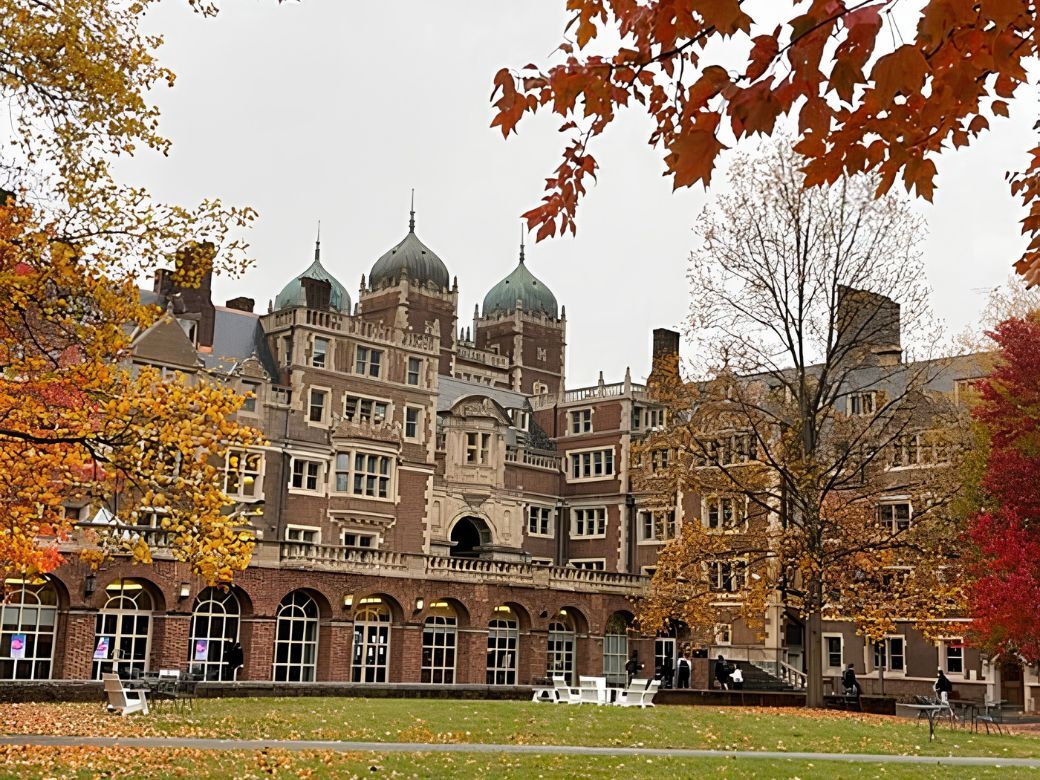
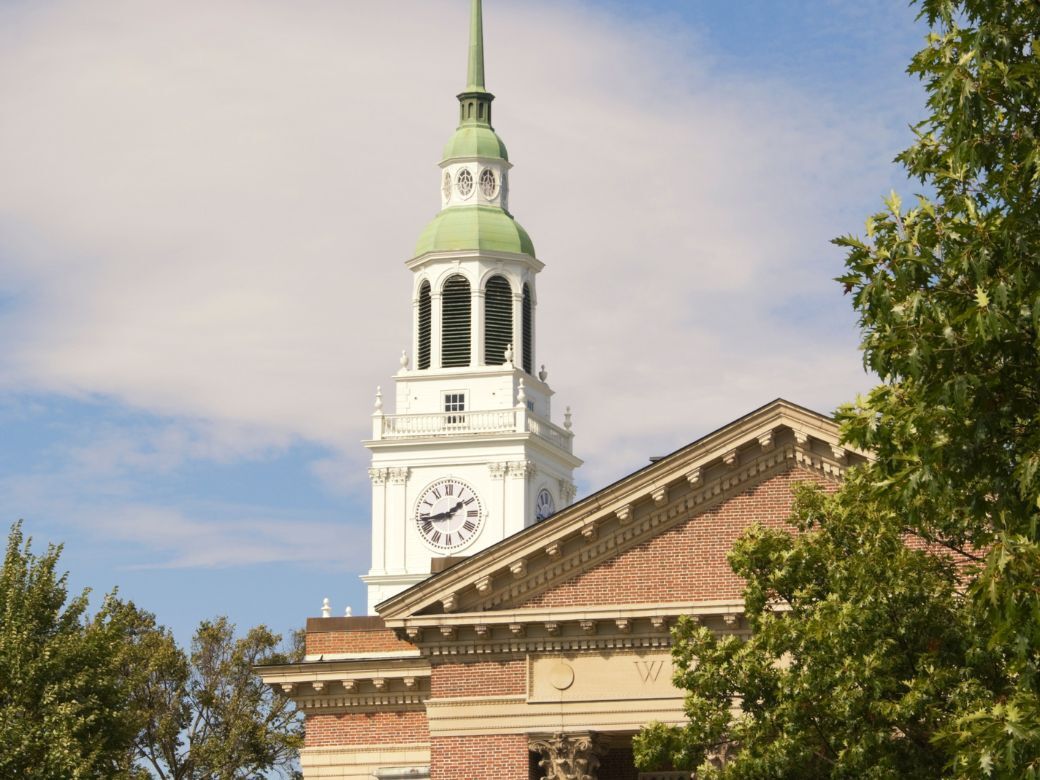
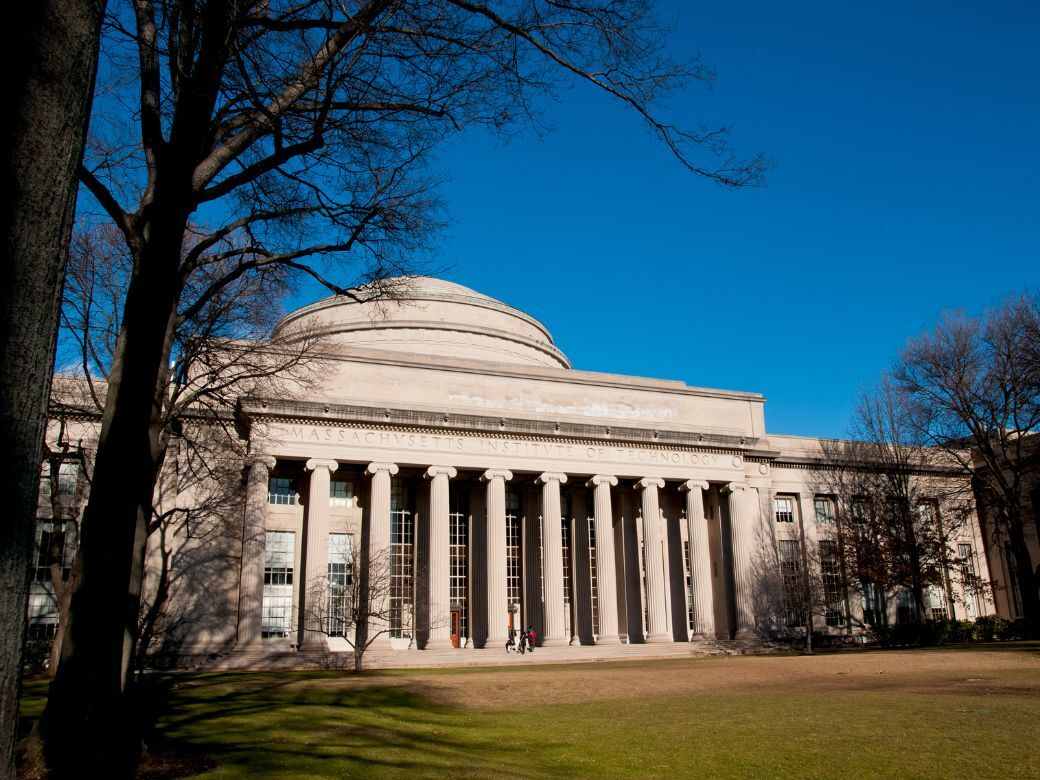
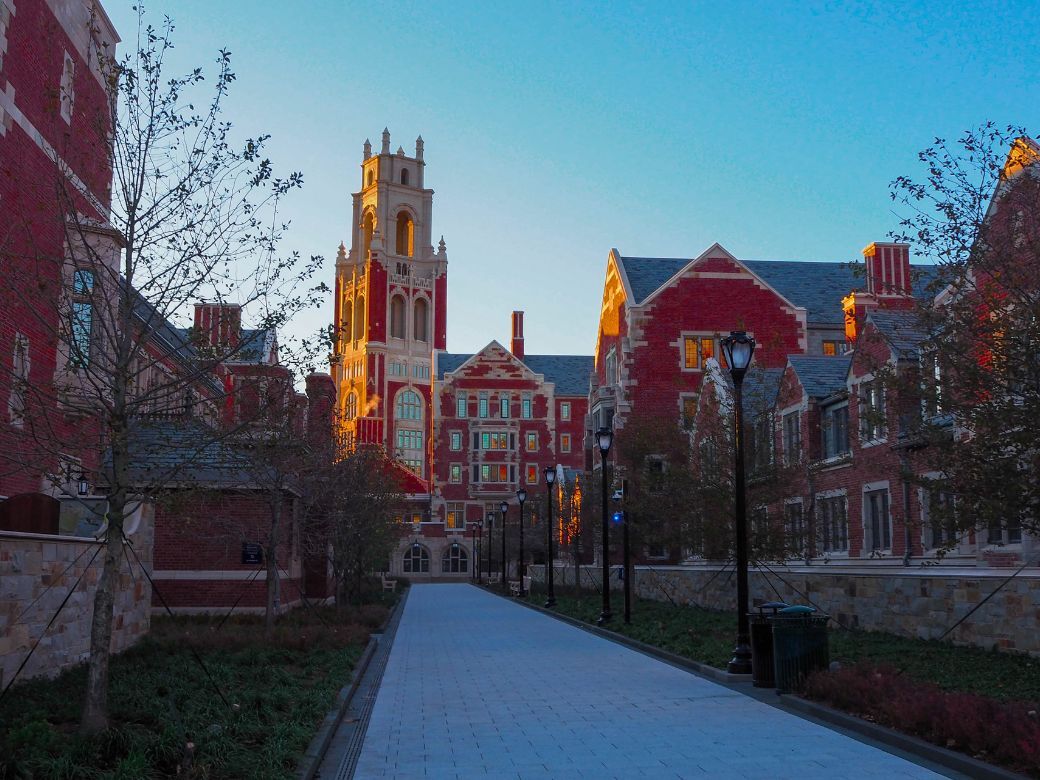
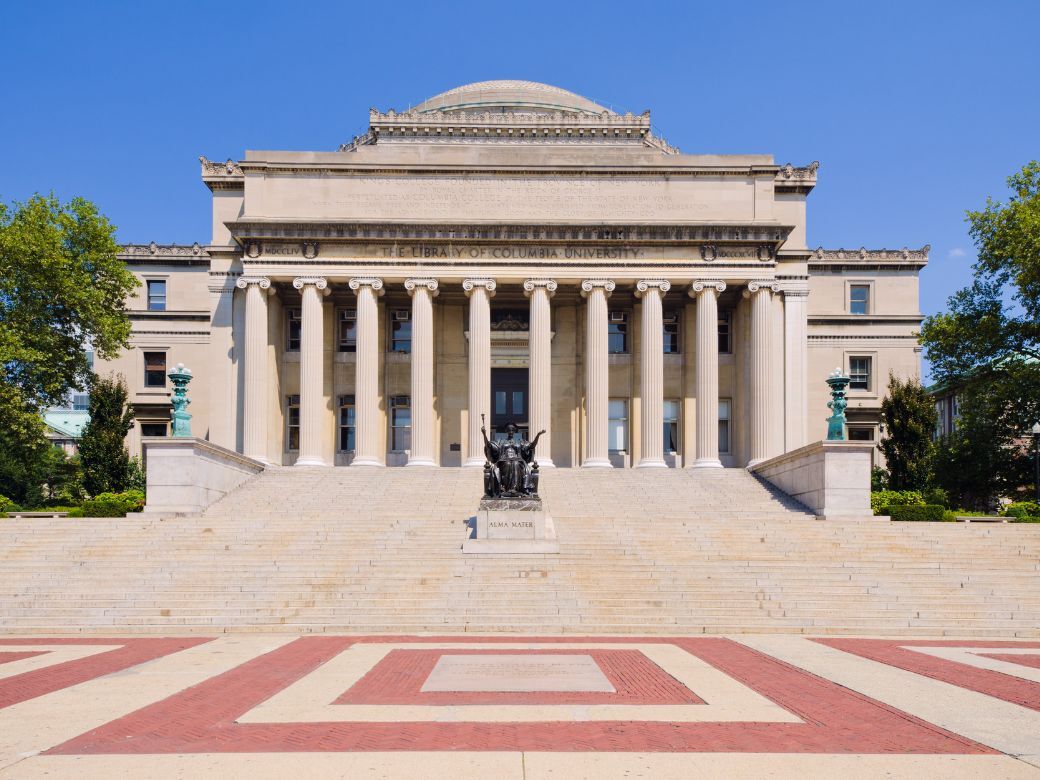
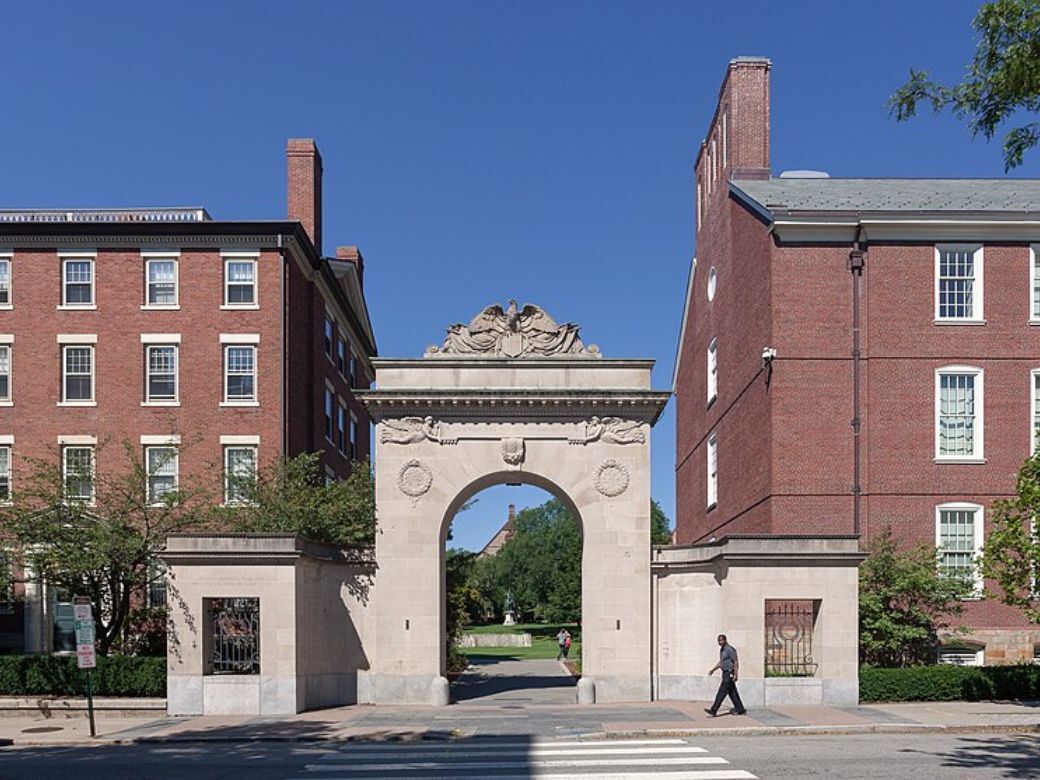
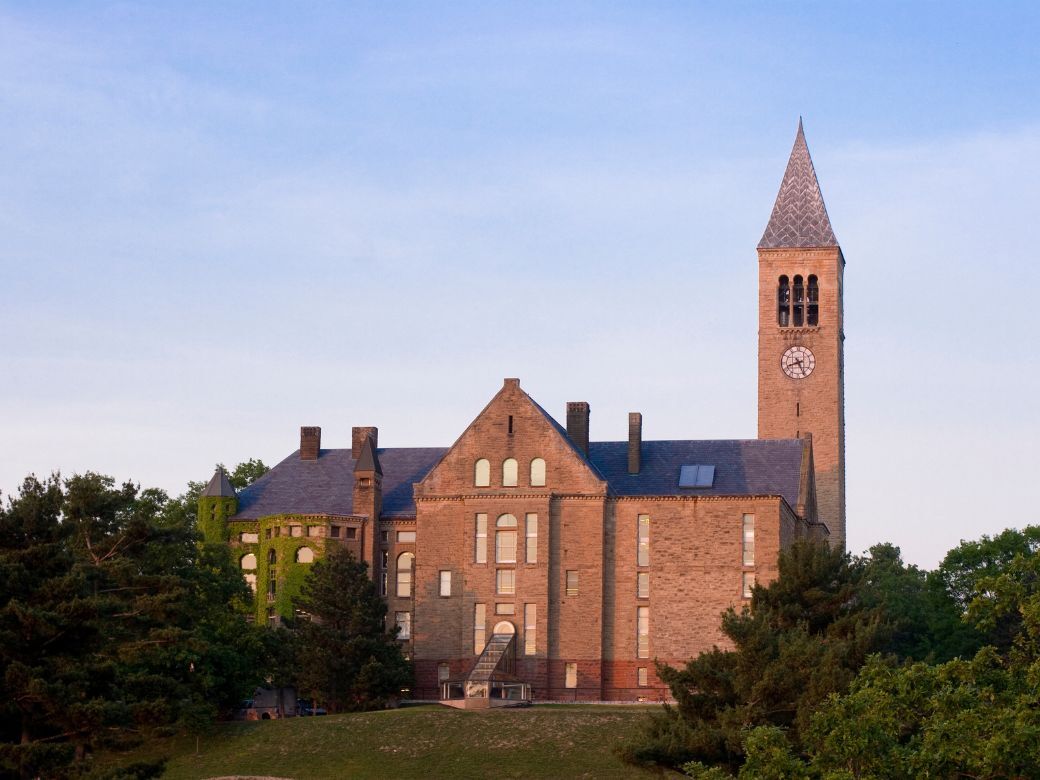
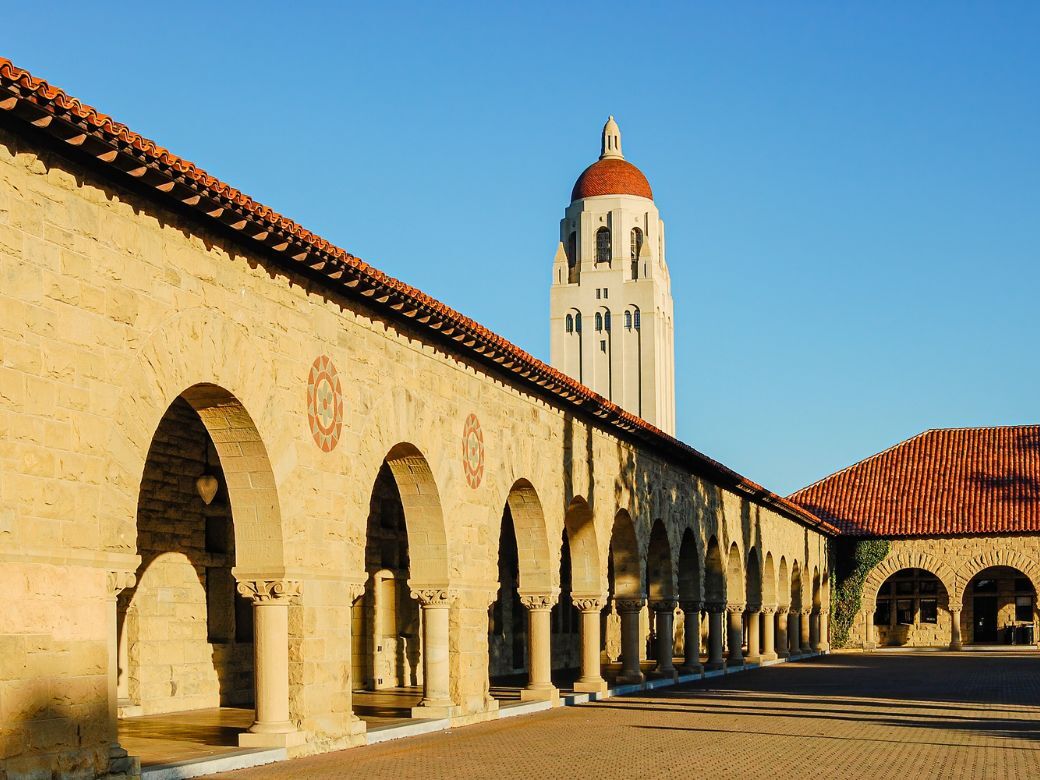
Ivy Education is an independent consultancy and is not affiliated with, endorsed by or connected to any of the universities named above. Stanford University and the Massachusetts Institute of Technology are not members of the Ivy League.
Introducing Our Consultants
Our consultants have guided students to offers at every Ivy League university, and most have been through the process themselves.

Lyndon
US & UK University ConsultantLyndon specialises in both UK & US university admissions, including SAT and ACT preparation. Having studied at both Cambridge and Harvard University, Lyndon understands the intracacies of the application processes, and takes an individually tailored and holistic approach to mentoring his students.

Sophia
US University ConsultantHarvard graduate Sophia has first-hand experience of applying to top tier US universities and of taking the plethora of associated exams. Sophia is excellently placed to provide advice and assurance to students at all stages of the US university application process.

Dr Caitlin R.
University Admissions SpecialistCaitlin has been guiding families on university applications since 2012. Caitlin is well placed to navigate clients through the elite US & UK education system due to her own experience at Harvard and King’s College London. She specialises in UCAS, SAT & UKCAT advice and preparation.

Cristina
US University ConsultantCristina is an independent university admissions consultant with over 12 years of experience supporting students applying to highly selective universities in the United States and Canada.

Peter
US University ConsultantPeter has worked in higher education since 2017 and has supported over 500 students applying to US colleges and universities.
How we work
An initial conversation about where your child is now and what they are aiming at.
A candid assessment of their current profile against the standard these universities apply.
A plan, with a consultant matched to the subject and the institutions in question.
Support through to decision day, including interviews and the final choice.
This is the Ivy League shape of a process we run in full for every US applicant. You can read our complete eight-stage US application process on the US consultancy page.
When to start
The honest answer is earlier than most families expect.
The profile that distinguishes an Ivy League application is built over years, not months. A student starting in Year 12 can be presented well, but a student starting in Year 10 can be helped to become a different candidate.
That said, we work with students at every stage, including those applying in the current cycle. The first conversation will tell you quickly whether the timeline you have is workable.
Start your child's Ivy League application
These applications reward starting early. The sooner we begin, the more of the profile, the essays and the strategy we can help shape.