Expert Guidance for Writing a Strong Medical Personal Statement

One-to-one support from experienced university consultants specialising in Medicine admissions.

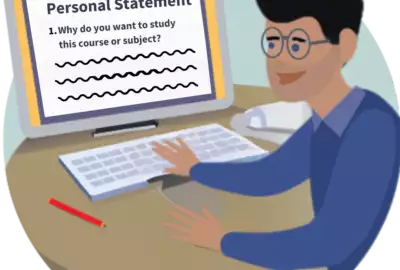
A personal statement is a critical part of a UK medical school application. With Medicine being one of the most competitive degree programmes, admissions tutors expect applicants to demonstrate clear academic motivation, insight into the medical profession, and thoughtful reflection on relevant experiences.

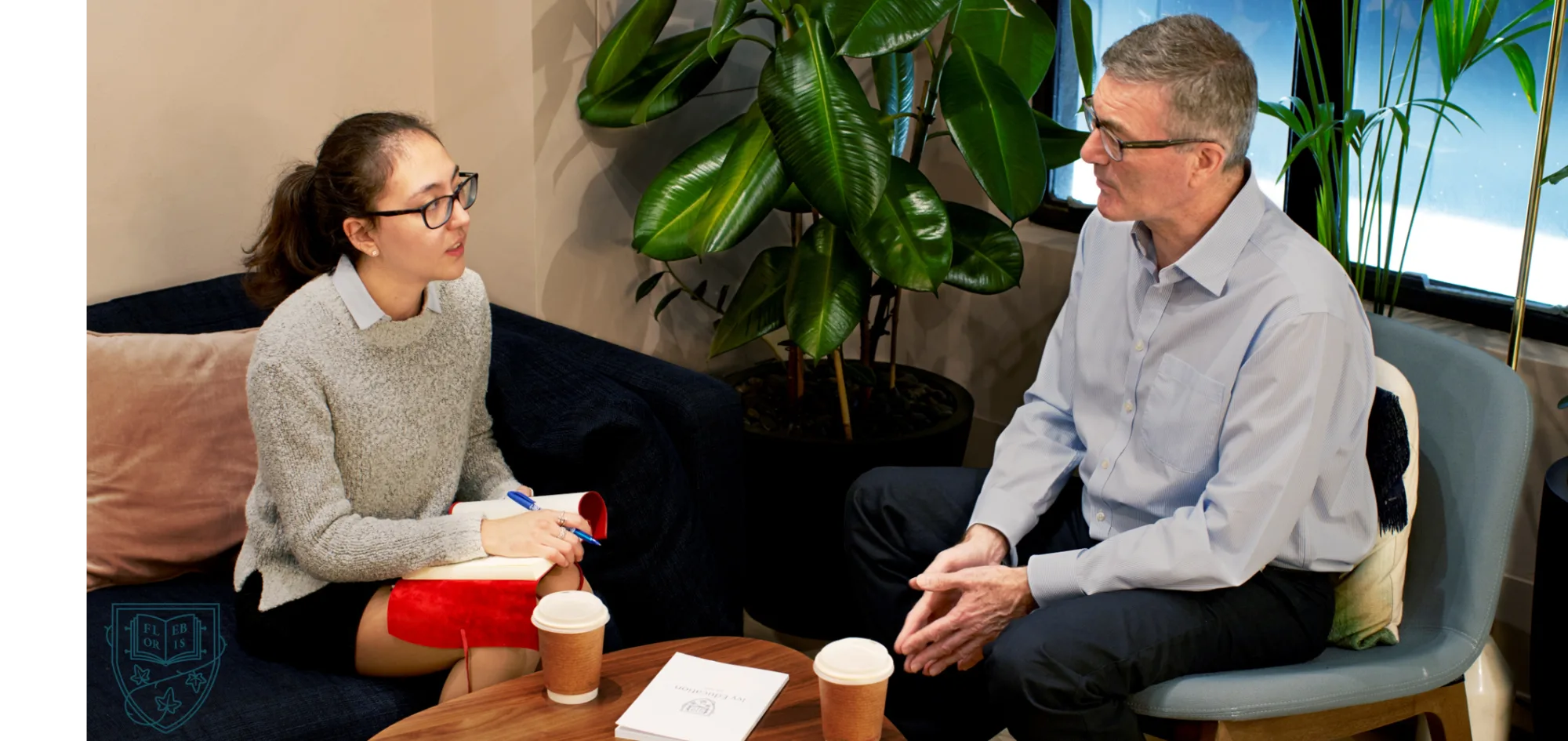
At Ivy Education, our medical personal statement support is designed specifically for students applying to Medicine. Our consultants work one-to-one with each student to clarify their reasons for pursuing a medical career, identify meaningful academic and clinical experiences, and ensure these are communicated clearly within the UCAS framework.

Rather than writing statements on a student’s behalf, we provide structured guidance, targeted feedback, and strategic insight. This approach ensures each personal statement remains authentic, academically focused, and aligned with what UK medical schools are looking for, while helping students present their own voice with clarity and confidence.

Sarah - Ivy Education
Consultant Profile

Sarah

University Consultant & School Leaver Options

"Sarah enjoys encouraging students to maximise on their strengths, helping them to put together ambitious yet realistic university applications. She believes it is essential that students broaden their options, so that they are guided towards a degree choice that is right for them. Offering a highly personalised service, Sarah specialises in applications to Medicine, Dentistry and Veterinary schools, and also ensures that students with any SEN or mitigating circumstances are correctly represented to universities."

Full Profile

How Our Medical Personal Statement Support Works

A structured, personalised approach tailored to each medical applicant

Our medical personal statement support begins with a detailed discussion of each student’s academic background, subject strengths, and motivation for studying Medicine. We explore how their interest in medicine has developed and how this aligns with the demands of a medical degree.

We then guide students in shaping their experiences into a focused and coherent narrative. This includes selecting the most relevant work experience, volunteering, academic enrichment, and wider reading, and helping students reflect critically on what they have learned rather than simply describing activities.

Throughout the process, students receive detailed, constructive feedback. Our consultants help refine content, structure, and academic emphasis while ensuring the final statement remains the student’s own work and voice.

How to Write a Strong UCAS Personal Statement for Medicine

What medical schools are looking for beyond grades and test scores

A strong UCAS personal statement for Medicine explains not only why a student wants to become a doctor, but why they are academically and personally suited to the profession. Medical schools look for sustained interest, intellectual curiosity, and an understanding of the realities of a medical career.

Successful statements focus on reflection rather than lists. Admissions tutors want to see how work experience, volunteering, wider reading, and academic study have shaped a student’s understanding of medicine and confirmed their motivation for the course.

Our consultants help students develop this balance. Through careful guidance and feedback, students learn how to communicate their commitment to Medicine clearly and thoughtfully, while demonstrating the maturity, insight, and resilience expected of future medical students.

Support with Personal Statement Structure and Focus

Helping medical applicants organise ideas clearly and effectively

Our consultants support students in structuring their medical personal statements so that ideas flow logically and remain focused on Medicine throughout. This includes guidance on shaping strong introductions, developing reflective academic discussion, and maintaining clarity and relevance across the statement.

For students who would like a more detailed explanation of how UCAS personal statements are structured, we have also written a dedicated guide:

Expert Medical Personal Statement Review and Feedback

Detailed, constructive guidance tailored to each student

Our medical personal statement review and feedback service helps students strengthen their writing while preserving their own voice. Consultants provide clear, practical feedback on academic focus, clarity, reflection, and relevance to Medicine.

Through an iterative review process, students develop a polished personal statement that is coherent, reflective, and well aligned with the expectations of UK medical schools.

Our Medical School Personal Statement Experts

Our expert Medical School admissions specialists have had many years of experience helping students craft powerful and unique personal statements.

Emma

Emma currently works as a Freelance Medical Editor, an online tutor (Chemistry A Level and GCSE), and a UK UCAS Application Consultant. She can offer advice and support on the whole application process including university choices, UCAT preparation, ...

Full profile

Dr Caitlin R.

University Consultant

Caitlin has been guiding families on university applications since 2012. Caitlin is well placed to navigate clients through the elite US & UK education system due to her own experience at Harvard and King’s College London. She specialises in UCAS, SA...

Full profile

Sarah

University Consultant & School Leaver Options

Sarah enjoys encouraging students to maximise on their strengths, helping them to put together ambitious yet realistic university applications. She believes it is essential that students broaden their options, so that they are guided towards a degre...

Full profile

Free Webinar Download: What Students Can Do To Strengthen Their Personal Statements

Knowing how to and present a personal statement is a challenge many students face. That is why our UK and US admissions expert, Dr Caitlin, offers clear, practical advice on how students can use the summer break to strengthen both their personal statements and CVs in our free webinar.

Drawing on over a decade of experience supporting successful applications to Oxbridge, Russell Group universities, top US colleges, and medical schools, Caitlin will cover the kinds of activities that truly impress admissions tutors and how students can reflect those experiences strategically in their applications.

Personal Statement Help for Competitive and Oxbridge Medical Applications

Targeted support for students applying to highly selective Oxbridge courses

For students applying to competitive universities, including Oxbridge, the personal statement plays an especially important role. Admissions tutors are looking for clear academic focus, evidence of sustained subject engagement, and thoughtful reflection that demonstrates intellectual curiosity and readiness for academic challenge.

Our consultants provide targeted personal statement support for applicants to Medicine, including Oxbridge, Dentistry, and other highly competitive healthcare-related courses. Guidance is tailored to each student’s academic profile and application strategy, ensuring the personal statement aligns closely with course expectations and selection criteria.

This focused approach helps students approach medical school applications with clarity, confidence, and a strong sense of academic direction.


Get in touch to start the process

Speak to a university consultant about personal statement support and UK university applications.


Personal Statement Advice and Guidance

In-depth articles to support students through the UCAS personal statement process

UCAS Personal Statement – Frequently Asked Questions

The UCAS personal statement is a short piece of writing that forms part of a university application. It allows students to explain their interest in a subject and demonstrate their suitability for a course in their own words. Admissions tutors consider the personal statement alongside grades, predicted results and references to gain a fuller understanding of an applicant. While important, it is one element of a broader admissions decision.

A UCAS personal statement has a maximum limit of 4,000 characters or 47 lines, whichever is reached first. This is typically around 500 words. Because the online application counts characters and lines differently from word processors, UCAS advises drafting the statement separately before pasting it into the form.

For most undergraduate courses, the UCAS equal-consideration deadline falls in mid-January. However, applications to Oxford or Cambridge, as well as courses in medicine, dentistry and veterinary science, must be submitted earlier, usually by 15 October. Applicants should always check the current UCAS deadlines, as these can vary from year to year.

Yes. Applicants can choose up to five courses, but only submit one personal statement, which is shared with all universities on the application. This means the statement should focus on the subject area rather than referencing individual institutions.

There is no single required format, but effective personal statements usually follow a clear progression. Students often begin by explaining their interest in the subject, before discussing relevant academic study and super-curricular engagement. This can be followed by appropriate experience or skills, and a brief outline of future academic or career aspirations. Reflection on learning is more valuable than simply listing activities.

Universities generally expect the majority of a personal statement to focus on academic interest and subject engagement. A smaller proportion can be devoted to extra-curricular activities, provided they demonstrate transferable skills or personal development relevant to the course.

Work experience and travel are not essential. Admissions tutors are primarily interested in how a student has explored their subject and what they have learned from relevant experiences. Any experience included should be explained thoughtfully, with clear links to academic motivation or skills gained.

Common pitfalls include copying from other sources, listing achievements without reflection, and repeating information found elsewhere in the application. Applicants should avoid clichés, remain honest, and ensure the statement reflects their own voice and experiences.

It’s advisable to begin working on a personal statement well in advance of the deadline. Starting early allows time for planning, drafting, feedback, and revision, rather than rushing the process at the last minute.

From 2026 entry onwards, UCAS is replacing the traditional single personal statement with a set of three structured questions. Each response will have a minimum character requirement, while the overall limit remains 4,000 characters. The aim of this change is to help students organise their responses more clearly, with guidance provided on what to address in each section.