Expert Insights
Best Universities for Medicine in the UK for 2026
Published 24th April 2026 by Alastair
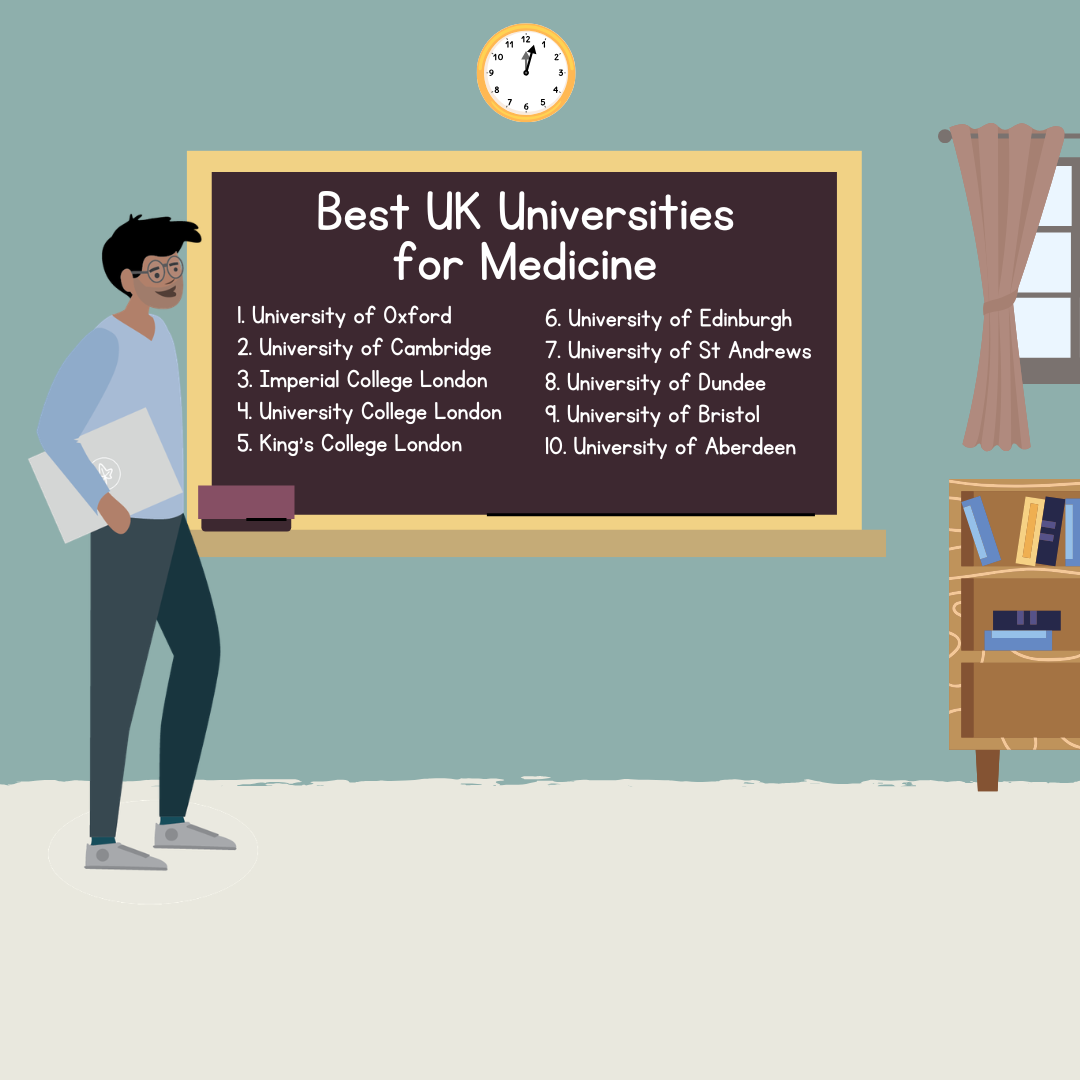
The best universities for medicine in the UK are, by any global measure, some of the finest medical schools in the world.
According to the QS World University Rankings by Subject 2026, five of the world's top eleven medical schools are in the UK: Oxford ranks 2nd globally (behind only Harvard), Cambridge 5th, UCL 6th, Imperial 7th, and King's College London 11th. No country outside the United States comes close to that concentration of excellence.
For UK applicants, however, choosing a medical school is not simply about following a league table. Course structure, teaching hospital access, admissions test requirements, cohort size and clinical exposure all vary greatly between institutions, and all of these factors matter for the kind of doctor you will become.
In this guide, Ivy Education ranks all 39 UK medical schools for 2026, drawing on the opinions of our expert education consultants, alongside data from The Complete University Guide 2026, The Guardian University Guide 2026, and the QS World University Rankings by Subject 2026. We explain how we built our own ranking, what the data actually means, and, most importantly, what it means for you as an applicant. Whether you are targeting Oxbridge, a specialist London medical school or a newer regional programme, this is the most comprehensive UK medical school ranking guide available for 2026.
A medical degree offers continuous learning, from junior doctor to consultant, GP, surgeon, researcher, or public health specialist. The UK's National Health Service is one of the world's largest publicly funded healthcare systems, and UK-trained doctors are respected globally, with the GMC qualification recognised in many countries.
Beyond career benefits, medicine offers a rare sense of purpose. Medical students often report that, despite academic pressures and the emotional weight of clinical work, the meaning they find in patient care is unmatched elsewhere.
Graduate outcomes from UK medical schools are exceptional: most graduates enter foundation training directly, and NHS employment rates are among the highest for any degree subject. Medicine also provides one of the broadest scientific educations, covering biochemistry, physiology, pharmacology, anatomy, psychology, and clinical skills within a single degree.
At Ivy Education, we support medical school applicants every year. Choosing the right university is not just about rankings; it’s about finding an environment where you will thrive. This guide is here to help you do just that.

Course structure: UK medical schools broadly follow one of three approaches. Traditional programmes (Oxford, Cambridge) divide the degree into a pre-clinical phase (usually Years 1–3, science-heavy) and a clinical phase (Years 4–6, hospital-based). Integrated programmes (Imperial, UCL, most Russell Group) blend clinical exposure and scientific study from Year 1 onwards. Problem-based learning (PBL) programmes (Manchester, Keele, Leicester, UEA) anchor learning around real clinical cases from the start, developing diagnostic reasoning early. Neither is objectively superior — it depends entirely on how you learn best.
Teaching hospitals and clinical placements: Access to high-quality NHS trusts is central to your clinical education. London medical schools benefit from some of the highest patient volumes and clinical diversity in Europe. Smaller universities, however, can offer more one-to-one contact with patients and consultants, particularly in rural or community-based placements.
Cohort size: Larger intakes (Manchester, Birmingham, Leeds) offer a wide social network but often mean less individual feedback. Smaller schools (Hull York, Lancaster, Keele) tend to score higher on student satisfaction precisely because of the more personalised experience they provide.
Admissions test: Almost all UK medical schools now require the UCAT. Oxford and Cambridge require the UCAT alongside their own interview processes. Warwick and Swansea require the GAMSAT for graduate entry. Your UCAT score will significantly determine which schools you can realistically target.
Location and lifestyle: Medicine is a five- or six-year degree. Where you live, and the city around you, will shape your experience as much as the course itself.
If you would like personalised guidance on which medical schools are the right fit for your profile, our Medicine Admissions team at Ivy Education is here to help.
The Complete University Guide 2026 is the UK's most research-focused domestic league table. It scores universities on entry standards, student satisfaction, research quality and intensity, graduate prospects, student-to-staff ratio, and spending on academic services and facilities. Cambridge leads for Medicine, followed by Oxford, Imperial, Queen's Belfast, and Queen Mary.
The Guardian University Guide 2026 focuses more on student experience: satisfaction with course, teaching, and feedback; student-to-staff ratio; spending per student; value added; and career prospects after 15 months. Oxford tops this table, followed by Imperial, Hull York, St Andrews, and Cambridge. The Guardian's emphasis on satisfaction allows some smaller, less research-intensive schools to score much higher than in CUG.
The QS World University Rankings by Subject 2026: Medicine offers a global context. QS ranks universities by academic reputation (40%), employer reputation (10%), citations per paper (10%), H-index (20%), and international research network (20%). It’s the most widely recognised subject ranking, placing five UK medical schools in the global top eleven.
Our ranking collates and adjusts these results based on factors such as access to London teaching hospitals, international reputation, and our experience placing students. We then adjusted the rankings in cases where we believe the raw average may understate a school’s real-world strength.
How to read this table: Ivy Rank is our combined editorial ranking. Guardian 2026 and CUG 2026 are domestic UK league table positions. QS Medicine 2026 is each school's global position in the QS World University Rankings by Subject 2026 — note that QS only gives individual positions to the top universities globally and bands all others (51–100, 101–150, etc.).
| Ivy Rank | University | Typical Offer (A-level / IB) | Chemistry Required? | 2nd Science Required? | Admissions Test | Guardian 2026 | CUG 2026 | QS Medicine 2026 |
|---|---|---|---|---|---|---|---|---|
| 1 | University of Oxford | A*AA / IB 39 (7,6,6) | Yes | Yes | UCAT | 1 | 2 | 2nd |
| 2 | University of Cambridge | A*A*A / IB 40–42 (7,7,6) | Yes | Yes | UCAT | 5 | 1 | 5th |
| 3 | Imperial College London | A*AA / IB 39 (7,6,6) | Yes | Yes (Biology) | UCAT | 2 | 3 | 7th |
| 4 | University College London (UCL) | A*AA / IB 39 (19 points at HL) | Yes | Yes (Biology) | UCAT | 17 | 9 | 6th |
| 5 | King's College London | A*AA / IB 35 (6,6,6) | Yes | Yes | UCAT | 27 | 18 | 11th |
| 6 | University of Edinburgh | AAA / IB 37 | Yes | Yes | UCAT | 22= | 10 | ~20th* |
| 7 | University of St Andrews | AAA / IB 36 | Yes | Yes (preferred) | UCAT | 4 | 11 | — |
| 8 | University of Dundee | AAA / IB 37 | Yes | Recommended | UCAT | 10 | 7 | — |
| 9 | University of Bristol | AAA / IB 36 (6,6,6) | Yes | Yes (Biology) | UCAT | 11 | 8 | — |
| 10 | University of Aberdeen | AAA / IB 36–37 | Yes | Yes | UCAT | 6 | 16 | — |
| 11 | University of Leicester | AAA / IB 36 | Yes | Yes (Biology) | UCAT | 8 | 12 | — |
| 12 | Queen's University Belfast | A*AA / IB 36 (6,6,6) | Yes | Yes | UCAT | 20 | 4 | — |
| 13 | University of Glasgow | AAA / IB 38 | Yes | Yes | UCAT | 18 | 6 | — |
| 14 | Hull York Medical School | AAA / IB 36 | Yes | Yes (Biology) | UCAT | 3 | 22 | — |
| 15 | Swansea University | Graduate entry: 2:1 degree | N/A | N/A | GAMSAT | 9 | 14 | — |
| 16 | University of Exeter | AAA / IB 36 | Yes | Yes (Biology) | UCAT | 12 | 15 | — |
| 17 | Cardiff University | AAA / IB 36 | Yes | Yes (Biology) | UCAT | 15 | 13 | — |
| 18 | Keele University | AAA / IB 35 | Yes | Yes (Biology) | UCAT | 7 | 23 | — |
| 19 | Queen Mary University of London (Barts) | AAA / IB 38 (6,6,6) | Yes | Yes (Biology) | UCAT | 32 | 5 | — |
| 20 | University of Liverpool | AAA / IB 36 | Yes | Yes (Biology) | UCAT | 14 | 26 | — |
| 21 | Newcastle University | AAA / IB 35 | Yes | Yes (Biology) | UCAT | 29 | 17 | — |
| 22 | University of East Anglia (UEA) | AAA / IB 34 | No | Yes (Biology required) | UCAT | 16 | 25 | — |
| 23 | University of Leeds | AAA / IB 35 | Yes | Yes (Biology) | UCAT | 22= | 21 | — |
| 24 | University of Manchester | AAA / IB 37 | Yes | Yes (Biology) | UCAT | 25 | 20 | — |
| 25 | Lancaster University | AAA / IB 36 | Yes | Yes (Biology) | UCAT | 26 | 19 | — |
| 26 | University of Warwick | Graduate entry: 2:1 (bioscience) | N/A | N/A | UCAT | 13 | 34 | — |
| 27 | University of Brighton | AAA / IB 35 | Yes | Yes (Biology) | UCAT | 19= | 27 | — |
| 28 | University of Southampton | AAA / IB 36 | Yes | Yes (Biology) | UCAT | 21 | 29 | — |
| 29 | University of Sussex | AAA / IB 35 | Yes | Yes (Biology) | UCAT | 19= | 32 | — |
| 30 | University of Sheffield | AAA / IB 36 | Yes | Yes (Biology) | UCAT | 30 | 24 | — |
| 31 | University of Birmingham | AAA / IB 32 (6,6,6) | Yes | Yes (Biology) | UCAT | 33 | 28 | — |
| 32 | University of Nottingham | AAA / IB 36 | Yes | Yes (Biology) | UCAT | 28 | 33 | — |
| 33 | University of Plymouth | A*AA–AAB / IB 36 | Yes | Yes | UCAT | 34 | 31 | — |
| 34 | University of Sunderland | AAA / IB 35 | Yes | Yes (Biology) | UCAT | 24 | 35 | — |
| 35 | City St George's, University of London | AAA / IB 36 | Yes | Yes (Biology) | UCAT | — | 30 | — |
| 36 | Anglia Ruskin University | AAA / IB 36 | Yes | Yes (Biology) | UCAT | 31 | 36 | — |
| 37 | Aston University | AAA–AAB / IB 35 | Yes | Yes (Biology) | UCAT | 35 | 37 | — |
| 38 | University of Lancashire (UCLan) | AAB / IB 34 | Yes | Yes (Biology) | UCAT | 36 | 39 | — |
| 39 | University of Buckingham | AAB | Yes | Yes (Biology) | UCAT | — | 38 | — |
Sources: Complete University Guide 2026, Guardian University Guide 2026, QS World University Rankings by Subject 2026 (published 25 March 2026). Typical offers are indicative for 2026 entry — always verify with the individual medical school before applying. * Edinburgh's exact QS Medicine 2026 position is approximate; confirm via topuniversities.com. Swansea and Warwick are graduate-entry only. Brighton and Sussex were previously ranked jointly as Brighton and Sussex Medical School by The Guardian. — indicates not ranked or outside the global top 20.
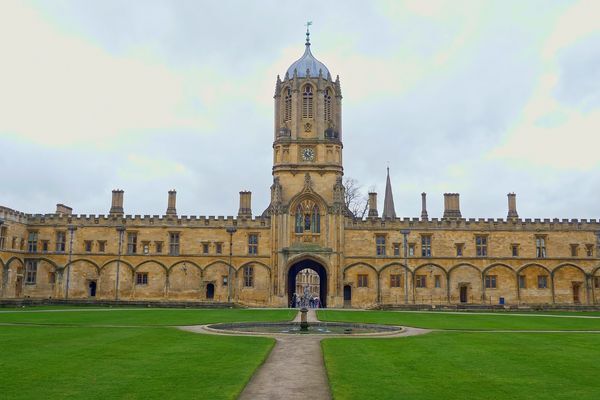
Oxford's six-year BMBCh programme is one of the most academically rigorous degrees in the world. Years 1 to 3 are pre-clinical, grounded in the basic and medical sciences, and culminate in a BA degree — a uniquely Oxford feature that reflects how seriously the university treats the scientific foundations of medicine. Years 4 to 6 are clinical, based primarily at the John Radcliffe Hospital in Oxford, where students encounter the full breadth of clinical medicine.
What distinguishes Oxford is its tutorial system. Small groups, often just two or three students, meet weekly with a subject expert to present and defend their understanding. There is nowhere to hide, and no one who thrives here does so passively! Oxford is the right choice for students who want to become not just excellent clinicians, but medically literate scientists.
In QS 2026, Oxford ranks 2nd in the world for Medicine; first in Europe and first in the UK. It tops the Guardian 2026 Medicine table and places 2nd in CUG 2026. Admission is exceptionally competitive, with a published acceptance rate of around 10–12%.
Typical offer: A*AA, including Chemistry and one other science or Mathematics. UCAT required; Oxford interviews virtually all shortlisted candidates.
Ivy Education says: Oxford Medicine is the right choice if you want unparalleled scientific depth and are comfortable with a more academic, research-facing approach to medicine. It is not the right choice if you want early patient contact or a highly integrated curriculum.
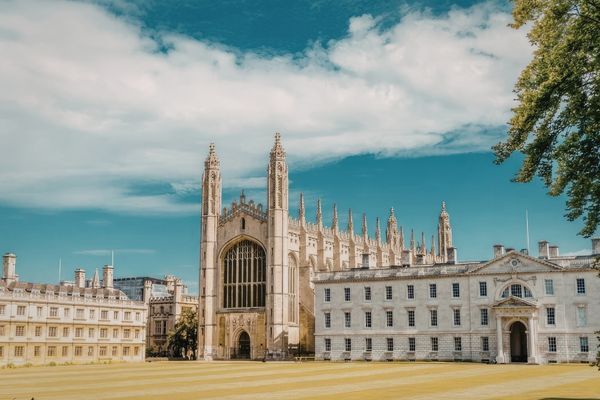
Cambridge's six-year MB/BChir degree follows a similar pre-clinical/clinical structure to Oxford, with the first three years devoted to the Medical and Veterinary Sciences Tripos — one of the most demanding scientific programmes in the UK. In Years 4 to 6, students move into clinical training, primarily at Addenbrooke's Hospital on the Cambridge Biomedical Campus, which is home to six world-leading research institutes and ranks among Europe's most impressive healthcare research environments.
Cambridge's major distinguishing feature is the intercalated year, which is built into the structure by default rather than offered as an optional extra. Every Cambridge medical student graduates with an additional BA in a science subject, providing research experience that most other medical schools cannot match. Students interested in academic medicine — whether that means a career in research, teaching or health policy — will find Cambridge's environment extraordinarily well suited to their ambitions.
In QS 2026, Cambridge ranks 5th in the world for Medicine and tops CUG 2026, making it the highest-ranked UK medical school by the research-weighted domestic index.
Typical offer: A*A*A, including Chemistry and at least one other science or Mathematics. UCAT required alongside a rigorous multi-panel interview.
Ivy Education says: Cambridge rewards sustained intellectual curiosity and genuine scientific interest. Students who have spent time reading beyond the syllabus and who can articulate their thinking clearly and under pressure are exactly the profile Cambridge seeks.

Imperial's six-year MBBS programme offers one of the most integrated and clinically engaged medical educations in the UK. From Year 1, students are introduced to patients through clinical placements, and the curriculum weaves basic science and clinical reasoning together throughout rather than separating them into distinct phases. This approach suits students who want to understand why a treatment works at the same time as they are learning how to apply it.
Imperial's London location is a significant advantage. Students rotate through some of the country's busiest NHS trusts, including Charing Cross Hospital, Hammersmith Hospital, St Mary's Hospital and Chelsea and Westminster Hospital, gaining exposure to clinical volumes and case complexity that few other UK medical schools can match. Imperial also has an outstanding research reputation — its Faculty of Medicine ranks 7th globally in QS 2026, and its research impact in areas including infectious disease, cardiology and bioengineering is world-leading.
Typical offer: A*AA, including Chemistry and Biology. UCAT required; most shortlisted candidates are invited to interview.
Ivy says: Imperial is the natural destination for students who want an intensely scientific, London-based medical education and who are motivated by the idea of practising at the cutting edge of clinical research. It is more demanding day-to-day than many other schools, but the rewards are proportionate.
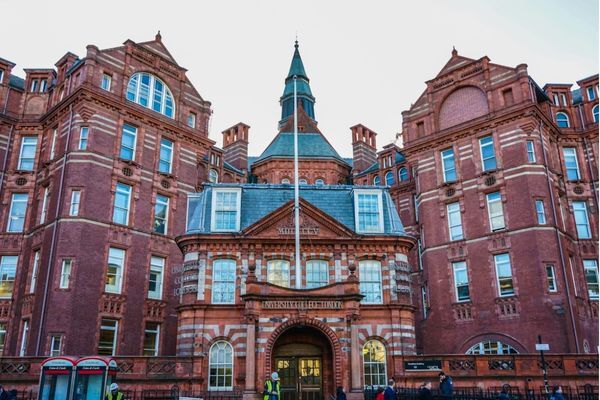
UCL's six-year MBBS programme is built on the conviction that excellent medicine requires excellent science — and UCL has the research infrastructure to back that conviction. Ranking 6th globally in QS 2026 (up from 8th in 2025) and first in London for Medicine, UCL teaches across six NHS trusts in one of the most diverse and clinically rich healthcare environments in the world.
The curriculum integrates clinical contact from the first year, and UCL places particular emphasis on population health and the social determinants of disease alongside the biological foundations of medicine. Students spend significant time in primary care as well as hospital settings, producing graduates who are genuinely comfortable across the full clinical spectrum. UCL also has one of the UK's strongest traditions of academic medicine — it produced the team behind the first IVF pregnancy and continues to lead internationally in neuroscience, cancer biology and global health.
Typical offer: A*AA, including Chemistry and Biology. The minimum UCAT threshold is published each year and typically sits in the upper scoring band. UCL interviews all shortlisted candidates using a structured format.
Ivy Education says: UCL is the strongest overall package in London for medicine. It combines world-class research with a genuinely integrated curriculum and an unrivalled clinical placement network. Students who want to practise in London long-term, or who are interested in global and public health, will find UCL particularly well aligned with their goals.

King's College London GKT School of Medical Education — jointly delivered through Guy's, King's and St Thomas' Hospitals — is one of the oldest and most distinguished medical schools in the UK. In QS 2026, King's ranks 11th globally for Medicine, up four places from 2025 and its highest-ever position. It is the fifth-ranked medical school in the world for Life Sciences & Medicine (the broader subject area) and first in the UK for Nursing.
The MBBS programme at King's is five years in length, and clinical exposure begins in the very first week. Students rotate through three world-class teaching hospitals — Guy's Hospital (founded 1721), St Thomas' Hospital (facing the Houses of Parliament), and King's College Hospital (the largest trauma centre in London) — accumulating clinical hours that exceed those available at almost any other UK medical school. The sheer variety of pathology students encounter at these sites, from complex acute presentations to rare diseases managed at the national level, is genuinely unmatched outside London.
Typical offer: A*AA, including Chemistry and one other science or Mathematics. UCAT required; King's uses it alongside other selection criteria.
Ivy Education says: King's is often underrated in domestic ranking tables, which tend to underweight international reputation and clinical richness. For students who want to train in the heart of London with access to world-leading clinical facilities, and who are drawn to specialties such as surgery, trauma, cardiology or psychiatry, King's deserves very serious consideration.

Edinburgh's six-year MBChB is one of the most academically ambitious undergraduate medical programmes in the UK. Students undertake an integrated curriculum that combines clinical contact with research-led teaching from the first year, and an intercalated year of research is standard — meaning every Edinburgh graduate leaves with a degree-level research qualification alongside their medical degree. This commitment to academic medicine has made Edinburgh a natural destination for students with a serious interest in research careers.
In QS 2026, Edinburgh ranks approximately 20th globally for Medicine (verify before publishing) and is placed 29th worldwide in the THE World University Rankings 2026 — confirming its standing as a world-class research institution. Edinburgh's clinical placements span NHS Lothian's extensive hospital network in one of the UK's most vibrant student cities, with the Old Town, Arthur's Seat and Holyrood all on the doorstep.
Typical offer: AAA, including Chemistry and Biology (or Chemistry and Maths or Physics). UCAT required.
Ivy Education says: Edinburgh is the best choice in Scotland for students who want to combine serious academic medicine with an outstanding quality of life. The research culture is second to none outside Oxbridge and London.

St Andrews occupies a unique position among UK medical schools. Its BSc (Hons) in Medicine is a three-year pre-clinical degree — students study the biomedical sciences in depth in Scotland's oldest university town, and then transfer to a partner institution (typically Dundee, Edinburgh or Manchester) to complete the clinical Years 4 to 6. This structure suits students who want the intellectual rigour of a research-focused pre-clinical education in a small, tightly-knit academic community before entering the clinical environment.
The Guardian ranks St Andrews 4th for Medicine in 2026, reflecting extremely high levels of student satisfaction — cohorts are small, teaching is personal, and the pastoral support is outstanding. The university's medieval surroundings, beautiful coastline and strong collegiate atmosphere make it a distinctively enjoyable place to spend the first three years of a medical education.
Typical offer: AAA, including Chemistry and at least one other science. UCAT required.
Ivy Education says: St Andrews is the right choice for the student who values academic depth, a close-knit community and the flexibility to choose their clinical training location. It is not suitable for students who want early patient contact.

Dundee consistently punches above its weight in the national rankings. It places 7th in CUG 2026 and 10th in the Guardian 2026 — a consistency that reflects genuinely high performance across multiple measures rather than excelling on one at the expense of others. In the Times and Sunday Times Good University Guide 2026, Dundee was ranked 2nd in the UK for Medicine, its highest-ever domestic position.
The five-year MBChB at Dundee uses a systems-based, integrated curriculum that is highly regarded for its clarity of design and the quality of its clinical placements, primarily through Ninewells Hospital — one of Scotland's largest teaching hospitals, directly adjacent to the medical school. Dundee also has an excellent track record of producing graduates who perform well in their foundation training assessments, which is a practical measure of teaching quality that league tables often miss.
Typical offer: AAA, including Chemistry and a second science (Biology recommended). UCAT required.
Ivy Education says: Dundee is significantly underrated by applicants who prioritise brand recognition over data. The evidence consistently shows it produces excellent doctors in a highly supportive environment.

Bristol's five-year MBChB is one of the most respected medical programmes in England. It places 8th in CUG 2026 and 11th in the Guardian 2026, and its research reputation — underpinned by the Bristol Medical School's internationally recognised work in population health, cardiovascular disease and infection — keeps it consistently in the upper tier of both domestic and global tables.
The curriculum integrates clinical and scientific learning from Year 1, and students benefit from a strong network of NHS placements across Bristol and the wider South West of England, including Bristol Royal Infirmary, Southmead Hospital and a range of community and primary care settings. Bristol as a city is widely considered one of the best student cities in the UK — regularly cited for its culture, creative energy and quality of life — and the strong collegiate atmosphere of the medical school reflects that.
Typical offer: AAA, including Chemistry and Biology. UCAT required.
Ivy Education says: Bristol is one of the most reliable medical schools in the country. Strong rankings, strong research, strong city, and strong employment outcomes make it an excellent choice for students who want a high-quality, genuinely enjoyable medical education.
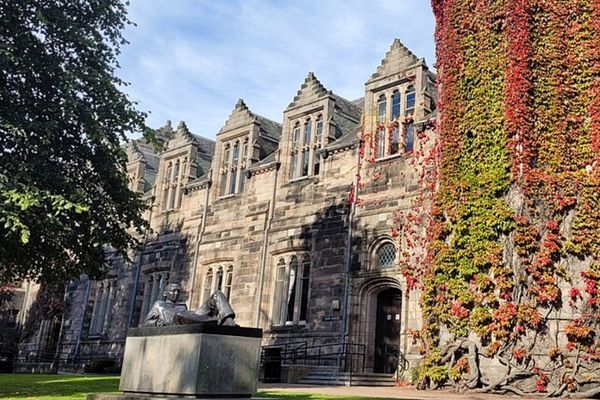
Aberdeen's five-year MBChB was rated #1 for Medicine in the UK by the Guardian in 2025 — and while it has dropped to 6th in 2026, this remains a remarkable endorsement of the quality of the student experience on offer. Aberdeen's curriculum is systems-based and integrates clinical contact from the second year, with placements across NHS Grampian's hospitals and the wider rural and remote North of Scotland — a clinical environment unlike any other in the UK.
For students interested in rural medicine, global health or less urbanised clinical experiences, Aberdeen offers something genuinely distinctive. The city itself is frequently underestimated by applicants from the south — it has a thriving student scene, low cost of living relative to London or Edinburgh, and a strong sense of community.
Typical offer: AAA, including Chemistry and a second science or Mathematics. UCAT required.
Ivy Education says: Aberdeen rewards students who are interested in the breadth of medicine rather than the narrow prestige of a brand name. Its rural and remote placements are exceptional preparation for the realities of NHS practice.
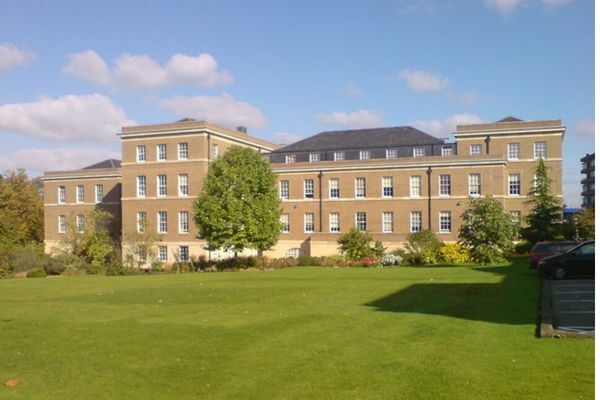
Leicester has been a consistent presence in the top 12 across both domestic tables in 2026, placing 8th in the Guardian and 12th in CUG. Its five-year MBChB uses a problem-based learning (PBL) approach — students work in small groups to investigate clinical cases, developing diagnostic reasoning and self-directed learning skills from the very beginning of the degree.
PBL suits certain students very well and others less so. If you are comfortable with ambiguity, enjoy collaborative learning and are motivated to seek out information independently rather than having it delivered to you in lectures, Leicester's approach will be a strong fit. Clinical placements are primarily through University Hospitals of Leicester NHS Trust and its affiliates across the East Midlands.
Typical offer: AAA, including Chemistry and Biology. UCAT required.
Ivy Education says: Leicester is the best UK medical school specifically for students who want a rigorous PBL curriculum. Its consistent top-ten performance in student-satisfaction-weighted tables confirms that the model works well for those it is designed for.
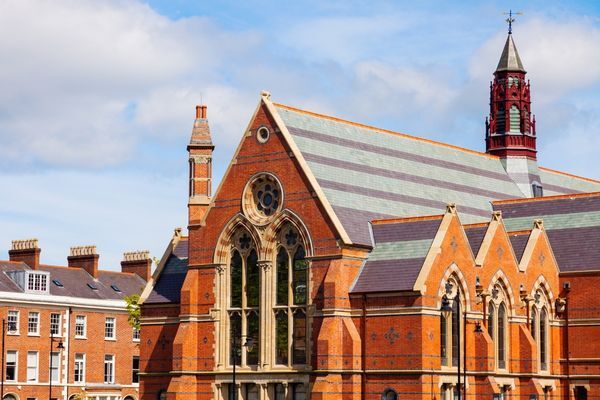
Queen's University Belfast delivers one of the strongest value propositions in UK medicine. It ranked 4th in CUG 2026 — its highest-ever CUG position — and achieved a 100% graduate prospects score, meaning every graduate enters employment or further training within a defined period of completing their degree. It also placed 20th in the Guardian 2026.
The five-year MBChB is delivered through the unique clinical context of Northern Ireland's NHS, which has a smaller and more tightly-knit healthcare system than NHS England, giving students earlier and more personal exposure to senior clinicians. The Royal Victoria Hospital and Belfast City Hospital are world-leading trauma and cardiology centres respectively, and students benefit from genuinely close relationships with their clinical mentors.
Typical offer: A*AA, including Chemistry and one other science. UCAT required.
Ivy Education says: Queen's is often overlooked by applicants who haven't considered Belfast seriously as a destination. On the data, it is one of the most compelling medical schools in the UK — particularly for students who prioritise graduate employability and early clinical exposure.
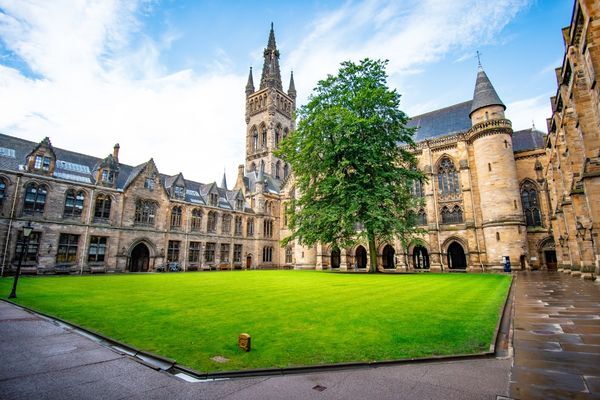
Glasgow's five-year MBChB places 6th in CUG 2026 and 18th in the Guardian 2026. Like most Scottish medical schools, it follows an integrated curriculum with early clinical contact, and students benefit from one of the most impressive teaching hospital networks in the UK — the Queen Elizabeth University Hospital, one of Europe's largest acute hospitals, is Glasgow's primary clinical base.
Glasgow is also an outstanding city for medical students. Scotland's largest city offers an exceptional quality of life, a vibrant social and cultural scene, and a cost of living that compares very favourably to London or even Edinburgh. The strong cohort culture at Glasgow Medical School — and the city's celebrated sense of community — makes it a genuinely enjoyable place to train.
Typical offer: AAA, including Chemistry and a second science or Mathematics. UCAT required.
Ivy Education says: Glasgow's strong CUG position reflects genuine academic and research quality that the Guardian's more satisfaction-weighted methodology underplays. It is an excellent choice for students who want a top-ranked, research-rich experience in a fantastic city.
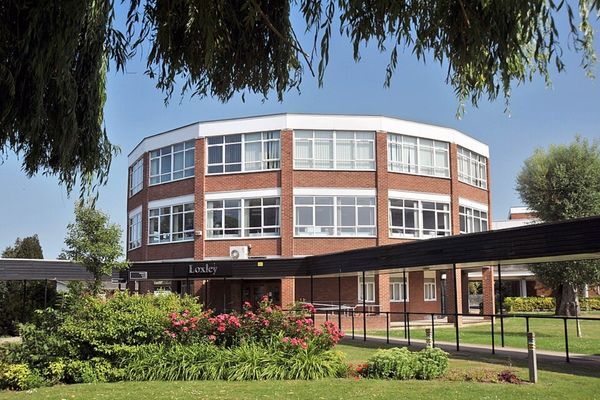
Hull York Medical School (HYMS) is the only medical school in the UK jointly delivered between two universities — the University of Hull and the University of York. It ranked 3rd in the Guardian 2026 for Medicine, reflecting exceptional student satisfaction and teaching quality, and it is consistently one of the highest-scoring medical schools in the country on metrics that directly measure the quality of the student experience.
HYMS's curriculum is PBL-based, with small cohorts that allow for a level of personalised contact between students and faculty that most larger medical schools cannot offer. Clinical placements span the Yorkshire and Humber region, providing broad exposure to both urban and rural NHS settings. The school's unique dual-university structure also means students benefit from the facilities and communities of two distinct university campuses.
Typical offer: AAA, including Chemistry and Biology. UCAT required.
Ivy Education says: HYMS is one of the UK's most underrated medical schools. Its Guardian top-3 finish is not an anomaly — it reflects a genuinely excellent, student-centred medical education. Students who are open to training outside London or Scotland should look at it seriously.

Swansea's four-year graduate-entry MBBCh is a distinct proposition — the only route into the school is for those who already hold a degree, typically in a biological science, and who sit the GAMSAT. It placed 9th in the Guardian 2026 and 14th in CUG 2026, reflecting high performance across both student satisfaction and academic quality metrics.
The graduate-entry model creates a different kind of cohort — students tend to be more focused, more clinically motivated and more certain of their career direction than their undergraduate counterparts. Clinical placements are primarily through Singleton Hospital and Morriston Hospital in Swansea, as well as placements across NHS Wales. The programme's shorter duration (four years versus five or six) also means a faster route to practice.
Typical offer: 2:1 or above in any degree, with strong GAMSAT performance. No specific A-level requirements, but a bioscience background is strongly preferred.
Ivy says: Swansea is an excellent option for graduates who meet the requirements and are ready for a focused, patient-centred medical education in Wales. If you are considering graduate-entry medicine, do not overlook it.

A-levels: The vast majority of UK medical schools require three A-levels, typically at AAA or A*AA. Chemistry is almost universally required — the only notable exception is UEA, which requires Biology but not Chemistry. Most schools also require a second science at A-level, usually Biology, though many accept Physics or Mathematics as an alternative. The third A-level can be almost any subject. Critical thinking and General Studies are not accepted at any medical school.
International Baccalaureate (IB): IB offers are typically between 34 and 42 points depending on the school, with Higher Level scores of 6 or 7 required in Chemistry and Biology. Oxford requires 39 points with 7, 6, 6 at Higher Level; Cambridge requires 40–42 with 7, 7, 6. Most other schools sit between 34 and 37 with 6s or 7s in the relevant sciences.
GCSEs: Most medical schools specify minimum GCSE grades, often requiring at least a grade 7 (A) in English Language, Mathematics, Biology (or Double Science), and Chemistry. These are used as a sifting tool in the early stages of the application process — a weak GCSE profile can prevent an application from progressing even if A-level grades are strong.
Work experience: This is not an academic requirement, but it is an effective one. UK medical schools expect applicants to have undertaken meaningful clinical or caring work experience before applying — typically a minimum of one to two weeks in a formal healthcare setting, ideally with evidence of reflection on what you observed. Oxbridge and London medical schools typically expect more extensive engagement.
Personal statement: Your UCAS personal statement is the primary document through which medical schools assess your motivation, your understanding of the medical profession, and your potential as a future doctor. A strong personal statement is specific, reflective and grounded in genuine experience. Ivy Education's Medicine Personal Statement service supports applicants in developing statements that stand out to admissions tutors.
The UCAT is a computer-based test taken at a registered test centre between July and October each year. It consists of five subtests:
Each subtest (except Situational Judgement) is scored between 300 and 900. The total across the four scored subtests ranges from 1,200 to 3,600. The national average in recent years has been approximately 2,500–2,550. The Situational Judgement section is banded from 1 (highest) to 4, and medical schools vary in how they weight this.
How do medical schools use UCAT? Policies differ significantly. Some schools (such as Sheffield and Dundee) use a UCAT cut-off, meaning that applicants below a certain threshold are not considered, regardless of their academic profile. Others (such as UCL and King's) combine UCAT scores, A-level grades, and personal statement scores to produce an overall selection ranking. A small number use UCAT as a tie-breaker after other criteria have been applied.
GAMSAT. The Graduate Medical School Admissions Test is required for graduate-entry programmes at Swansea and Warwick. It is a half-day test covering health sciences, written communication, and biological and physical sciences, administered in March and September each year.
Preparing effectively for the UCAT takes time; most successful applicants spend 60 to 100 hours preparing, using question banks and timed practice. Ivy Education's expert UCAT tutors provide targeted support for applicants across all sections of the test.
Home (UK) students pay tuition fees of £9,250 per year for Years 1 to 4 of a five-year programme (or Years 1 to 4 of a six-year programme). From Year 5 onwards, students in most UK medical programmes become eligible for NHS bursary funding, which covers tuition fees and provides a means-tested maintenance grant. The bursary replaces the standard student finance arrangement from that point forward, meaning the financial pressure of the final year or two of a medical degree is often significantly lower than applicants expect.
International students face substantially higher fees. International tuition for medicine typically ranges from £38,000 to £67,000 per year, depending on the school. Cambridge and Oxford sit at the higher end; Scottish and Northern Irish universities tend to be slightly more competitive. International students are not eligible for NHS bursary support.
Living costs vary considerably by location. London-based medical schools (UCL, Imperial, King's, Queen Mary) carry a cost of living premium relative to schools in cities such as Dundee, Aberdeen, Belfast or Hull. Students should budget approximately £1,000 to £1,500 per month for accommodation, food and transport outside London, and £1,500 to £2,000 per month within London.
Scottish-domiciled students studying at a Scottish university pay no tuition fees for undergraduate study, including Medicine — fees are covered by the Student Awards Agency Scotland (SAAS). This represents a significant financial advantage and is a factor some applicants do not fully consider when choosing between Scottish and English institutions.

Choosing the best university for medicine in the UK is one of the most important decisions a prospective doctor will make. The rankings in this guide — combining CUG 2026, Guardian 2026, and QS 2026 with Ivy's editorial overlay — provide a rigorous foundation for that decision. But data alone cannot tell you which school is right for you. Course structure, teaching philosophy, clinical environment, cohort culture and personal fit all matter, often more than a school's position on any single table.
What the data does confirm is that the UK's medical schools are collectively world-class. Five of them sit in the global top eleven. Whether you are aiming for Oxford's tutorials, Edinburgh's research culture, Dundee's outstanding student satisfaction, or Hull York's PBL-driven community, the quality on offer across the spectrum of UK medicine is remarkable.
At Ivy Education, our Medicine Admissions consultants work with applicants from the earliest stages of GCSE planning through to UCAS submission, UCAT preparation and interview coaching. We know these schools, their admissions processes and their expectations in detail, and we use that knowledge to help our students secure places.
By our Ivy ranking for 2026, the University of Oxford is the best medical school in the UK, followed by Cambridge, Imperial, UCL and King's College London. Oxford ranks 2nd globally for Medicine in the QS 2026 subject rankings. However, "best" depends heavily on what you are looking for. Students who prioritise student satisfaction may find Hull York, Dundee or Aberdeen a stronger fit than Oxbridge.
Most UK medical schools require AAA at A-level, including Chemistry as a mandatory subject and usually Biology or another science as the second. The most competitive schools (Oxford, Cambridge, UCL and Imperial) typically require A*AA or above. At IB level, offers range from 34 to 42 points. Strong GCSEs and a high UCAT score are also essential.
The vast majority do. From 2025 entry onwards, the BMAT has been discontinued and the UCAT is now required by almost every UK medical school, including Oxford and Cambridge. The exceptions are Swansea and Warwick, which require the GAMSAT for their graduate-entry programmes.
Both are extremely competitive, with acceptance rates of around 10-12%. Cambridge tops CUG 2026 for Medicine while Oxford tops the Guardian 2026 and QS 2026 tables. Cambridge requires slightly higher predicted grades (AAA versus A*AA at Oxford). Both require UCAT and rigorous interviews, though the interview style differs between the two.
There are currently 39 UK medical schools ranked by the Complete University Guide 2026. A small number of additional institutions offer medicine-related programmes but have insufficient data for full ranking inclusion.
Newer and smaller medical schools such as Anglia Ruskin, Sunderland and Aston University tend to have relatively higher acceptance rates than established schools, though all UK medical schools are competitive given the volume of applicants. Individual acceptance rate data is published by UCAS each year.
Yes. All UK medical schools accept international students, though the number of places is capped (typically around 7.5% of the total cohort). Entry requirements are the same as for home students, though UCAT thresholds are sometimes higher for international applicants. Tuition fees range from £38,000 to £67,000 per year depending on the school.
Standard undergraduate medicine degrees are five or six years. Oxford and Cambridge are six-year programmes. The majority of other schools are five years. Graduate-entry programmes (Swansea, Warwick) are four years. All programmes lead to the same GMC-recognised qualification and eligibility for foundation training.

Alastair Delafield is the Managing Director and founder of Ivy Education.
All Author Posts