Expert Guidance for Writing a Strong Personal Statement
One-to-one support from experienced university consultants at every stage of the UCAS process.
A personal statement plays a central role in the UK university admissions process. It is often the only opportunity for students to explain why they are suited to a particular course and to demonstrate their academic interests beyond grades and predicted results.
At Ivy Education, our personal statement help supports students through every stage of this process. Our university consultants work one-to-one with students to clarify their academic direction, reflect meaningfully on their experiences, and communicate their ideas clearly within the UCAS framework.
Rather than writing statements on a student’s behalf, we provide structured guidance, detailed feedback, and strategic insight. This ensures each personal statement remains authentic, well-structured, and aligned with what competitive universities are looking for, while giving students the confidence to present their own voice effectively.

Sarah
University Consultant & School Leaver Options"Sarah enjoys encouraging students to maximise on their strengths, helping them to put together ambitious yet realistic university applications. She believes it is essential that students broaden their options, so that they are guided towards a degree choice that is right for them. Offering a highly personalised service, Sarah specialises in applications to Medicine, Dentistry and Veterinary schools, and also ensures that students with any SEN or mitigating circumstances are correctly represented to universities."
How Our Personal Statement Support Works
A structured, personalised approach designed around each student
Our personal statement support begins with a clear understanding of each student’s academic interests, subject choices, and wider profile. Our consultants explore what motivates the student and how their interests relate to the courses they are applying for.
We then guide students in shaping their ideas into a focused, coherent narrative. This includes advising on structure, identifying the most relevant academic and super-curricular experiences, and encouraging reflection rather than description alone.
Students receive detailed, constructive feedback throughout the process. Our consultants help refine and strengthen the statement while ensuring it remains the student’s own work and voice, building confidence in both their writing and academic direction.

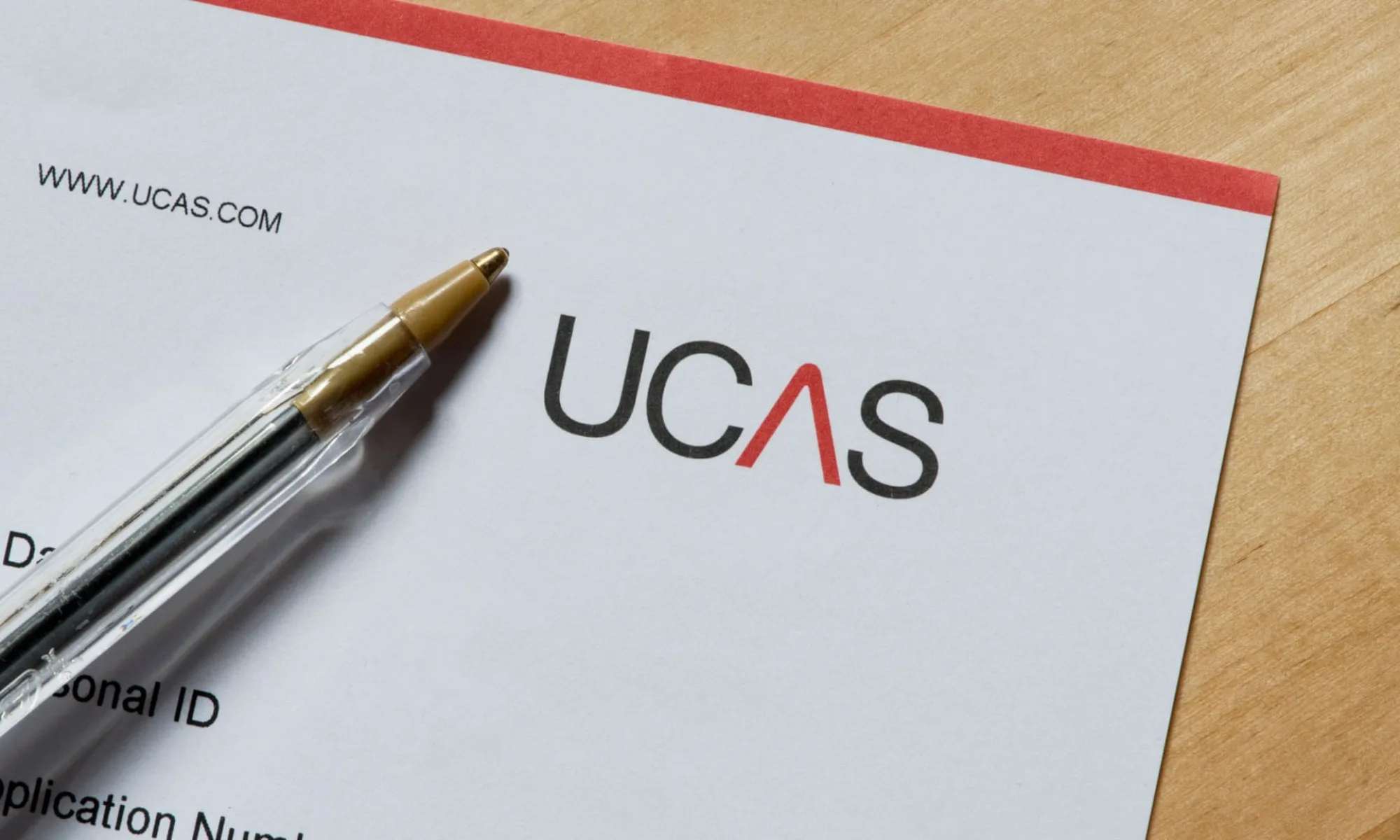
How to Write a Strong UCAS Personal Statement
What universities are looking for beyond grades and predicted results
A strong UCAS personal statement explains not only what a student wants to study, but why. Admissions tutors are looking for clear academic motivation, evidence of subject engagement, and thoughtful reflection on experiences that have shaped a student’s interests.
Successful personal statements focus on quality rather than quantity. This means selecting the most relevant academic and super-curricular experiences and explaining what has been learned from them, rather than listing activities without context.
Our university consultants help students strike this balance. Through structured guidance and feedback, students learn how to communicate their enthusiasm for a subject clearly and coherently, while demonstrating the curiosity, commitment, and potential universities expect within the UCAS framework.
Support with Personal Statement Structure and Focus
Helping students organise ideas clearly and effectively
Our consultants support students in structuring their personal statements so that ideas flow logically and remain focused on the chosen course. This includes guidance on shaping introductions, developing academic discussion, and ensuring reflection remains clear and relevant throughout.
For students who would like a more detailed explanation of how UCAS personal statements are structured, we have also written a dedicated guide:


Expert Personal Statement Review and Feedback
Detailed, constructive guidance tailored to each student
Our personal statement review and feedback helps students strengthen their writing while maintaining their own voice. Our consultants provide clear, practical feedback on content, structure, clarity, and academic focus, ensuring the statement communicates ideas effectively and remains relevant to the chosen course.
By combining expert insight with an iterative review process, we help students produce a polished personal statement that is coherent, authentic, and well aligned with the expectations of competitive UK universities.
Personal Statement Help for Competitive and Oxbridge Applications
Targeted support for students applying to highly selective courses and universities
For students applying to competitive universities, including Oxbridge, the personal statement plays an especially important role. Admissions tutors are looking for clear academic focus, evidence of sustained subject engagement, and thoughtful reflection that demonstrates intellectual curiosity and readiness for academic challenge.
Our consultants provide targeted personal statement help for applicants to Oxbridge and other highly competitive courses, including Medicine, Dentistry, Law, and selective degree programmes. Support is tailored to each student’s academic profile and aspirations, ensuring the personal statement aligns closely with course-specific expectations and admissions criteria.
This focused support helps students approach competitive applications with clarity and confidence.
Universities We Help Prepare Students For
We have a strong track record of supporting students in securing places at many of the UK’s most competitive universities.

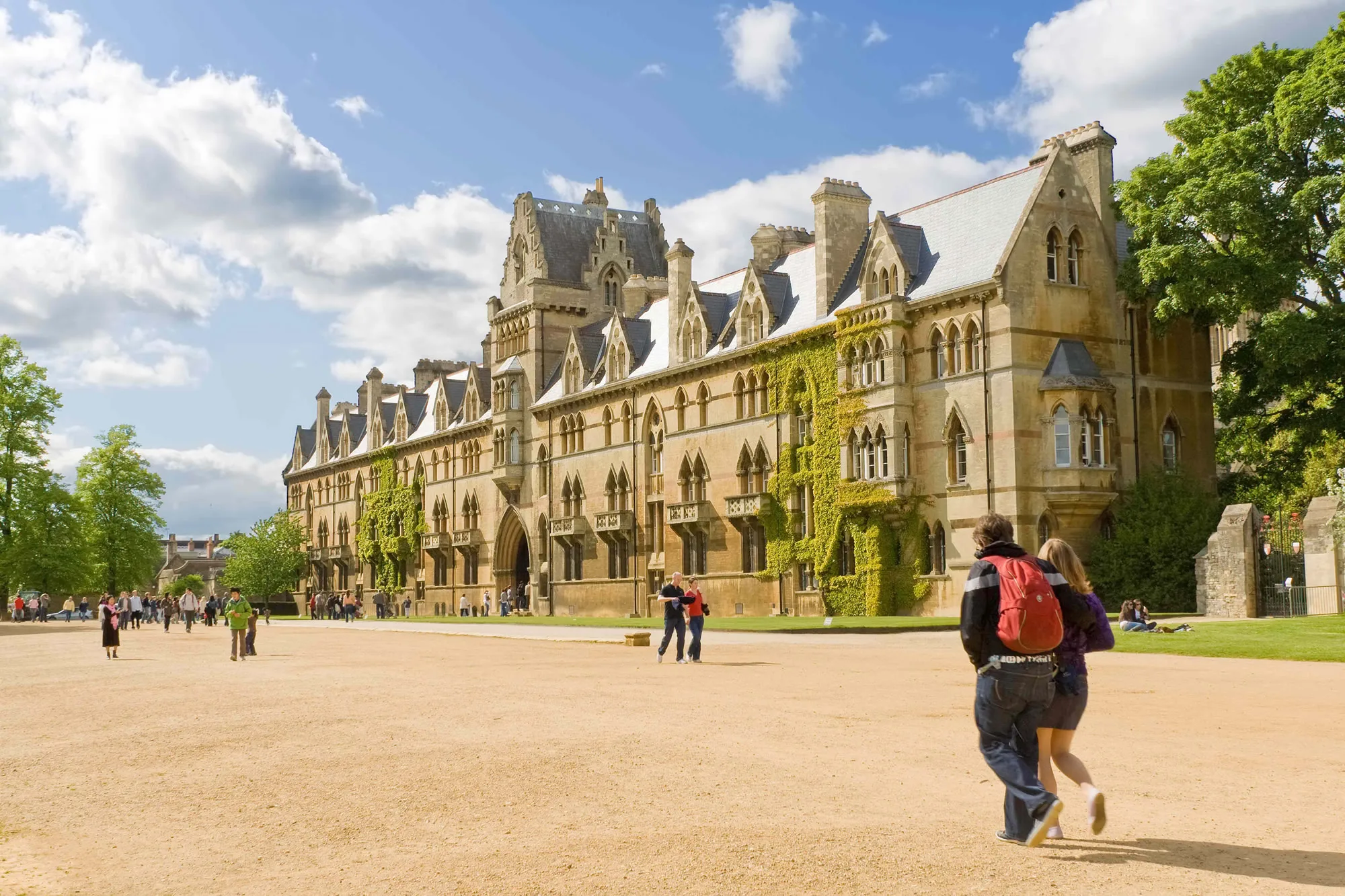
The University of Oxford
The University of Oxford is one of the world’s oldest and most prestigious universities, located in the historic city of Oxford. Admission is extremely competitive, requiring outstanding academic results, admissions tests, and interviews. Renowned for its tutorial system, world-class research, and vibrant collegiate community, Oxford offers an intellectually challenging and inspiring environment for students.
The University of Cambridge
The University of Cambridge is a world-leading institution located in the historic city of Cambridge, celebrated for its academic excellence and tradition of innovation. Entry is highly competitive, with applicants required to demonstrate exceptional academic ability through exams, interviews, and written work. Known for its collegiate system, pioneering research, and inspiring teaching, Cambridge offers an intellectually rich and supportive environment.
Imperial College London
Imperial College London is a world-class university specialising in science, engineering, medicine, and business, located in the heart of South Kensington. Admission is extremely competitive, with offers based on exceptional academic achievement and aptitude. Renowned for its cutting-edge research, innovation, and global impact, Imperial provides a challenging and collaborative environment for ambitious students.
London School of Economics
The London School of Economics and Political Science (LSE) is a prestigious university located in central London, specialising in the social sciences. Admission is highly competitive and based on exceptional academic performance and a strong personal statement. Renowned for its rigorous teaching, influential research, and international community, LSE attracts ambitious students from around the world.
University College London
University College London (UCL) is a top-ranked global university located in the heart of London, offering a wide range of innovative undergraduate and postgraduate programmes. Admission is highly selective, based on exceptional academic achievement and a strong personal statement. Renowned for its research excellence, diverse community, and forward-thinking approach, UCL provides a dynamic and intellectually stimulating environment.
King's College London
King’s College London (KCL) is a world-renowned university located in the heart of London, offering a wide range of undergraduate and postgraduate degrees. Entry is highly competitive and based on strong academic performance and personal achievements. Known for its global outlook, cutting-edge research, and central London campuses, King’s provides a dynamic and supportive learning environment.
The University of St Andrews
The University of St Andrews is Scotland’s oldest university and one of the most prestigious in the UK, located in the historic coastal town of St Andrews. Entry is highly competitive, with offers based on outstanding academic performance and a strong application. Known for its academic rigour, close-knit community, and rich traditions, St Andrews offers an inspiring and internationally respected education.
Get in touch to start the process
Speak to a university consultant about personal statement support and UK university applications.
Our University Tutoring Services
Many students preparing competitive and Oxbridge applications also benefit from targeted academic tuition alongside personal statement support. We therefore offer specialist tutoring designed to strengthen subject knowledge, exam performance, and readiness for wider application:
Personal Statement Advice and Guidance
In-depth articles to support students through the UCAS personal statement process
How to Write a Standout Oxbridge Personal Statement (2026 Edition)
Whether you're applying to Oxbridge or any other university course requiring a personal statement, knowing where to star...

How to Structure Your UCAS Personal Statement: 7 Top Tips
When applying to university, your UCAS personal statement is one of the most important parts of your application. It is ...

Plan a Personal Statement: How to Plan a Personal Statement This Summer (With Examples)
Preparing early is key when it comes to a standout personal statement. If you're a Year 12 student planning to apply to ...

UCAS Personal Statements - Changes That Took Place In 2024 with Sarah McWatters
The Universities and Colleges Admissions Service (UCAS) announced on 13th January that the personal statement, a key ele...

Putting the ‘personal’ back into personal statements
With Year 12 students starting to think about their autumnal applications for university entry in 2020 (the UCAS deadlin...